
Doors we supply and fit
- Composite front and back doors
- uPVC front and back doors
- Aluminium entrance doors
- Timber doors
- Stable doors
- Doors with side panels and toplights
- Security-focused doors with enhanced locking
Choosing the right material
Composite doors are the most popular choice for front doors. They combine a tough outer skin with an insulated core, giving the look of a painted timber door with very little maintenance. uPVC doors are a cost-effective option and are often used for back and side doors. Aluminium entrance doors offer a modern, high-end look and are very strong. Timber doors suit period properties and can be painted or stained, but they need regular maintenance.
Security
Most forced entries through doors target the lock. Modern doors use multi-point locks that engage at several points along the frame, along with strong hinges and reinforced frames. The cylinder, the part your key goes into, is especially important, because standard euro cylinders can be vulnerable to lock snapping. Look for an anti-snap cylinder tested to a recognised standard, such as a TS 007 3-star cylinder or a cylinder meeting SS 312 Diamond.
Doors tested to PAS 24 have been tested against a range of physical attacks. Secured by Design is a police-backed initiative that accredits products meeting its security requirements. If security is your priority, ask whether the door meets these standards.
Styles and colours
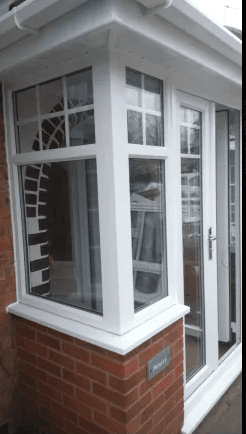
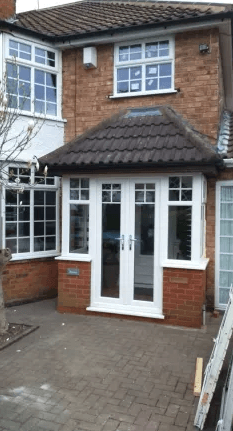
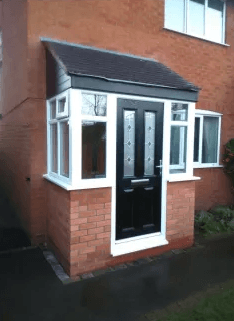
Front doors come in a huge range of styles, from traditional panelled and cottage doors to modern flat-panel designs. Glazing can be clear, obscure or decorative, and side panels and toplights bring extra light into a hallway. Colours range from classic black, red and blue to modern greys and greens, often with a different colour inside. Hardware such as letterplates, knockers and handles finishes the look.
Stable doors
A stable door is split horizontally, so the top half can open on its own. It's useful for kitchens and back doors, letting air and light in while keeping children and pets in, or out. Modern stable doors are available in composite, uPVC and timber with secure locking on both halves.
Building regulations
Replacement external doors in England fall under the building regulations energy efficiency requirements in Approved Document L, which sets a maximum U-value of 1.4 W/m²K for replacement doors in existing homes, or an equivalent minimum Doorset Energy Rating. Glazing in doors must be safety glass. As with windows, compliance is usually shown either through an installer registered with a competent person scheme, such as FENSA or Certass, or by notifying building control. A new door also shouldn't make access to the house worse than before, so threshold heights matter.
Doors for flats
If you live in a flat, your front door may form part of the building's fire safety arrangements and need to be a certified fire-resisting doorset. Check with your landlord or freeholder before replacing a flat entrance door.
Glazing and light in the hallway
Many hallways are dark, especially in terraced and semi-detached homes. Glazed panels in the door, side panels and toplights bring in daylight, while obscure or decorative glass keeps privacy. All glass in doors must be safety glass, and laminated glass adds security because it holds together if broken.
Fitting and making good
Fitting a new door involves removing the old door and frame, preparing the opening, fixing the new frame level and square, and sealing it to the wall. The threshold is set so water drains away, and the inside and outside are finished neatly. Any damage to the opening found when the old frame comes out, such as a rotten sill or crumbling brickwork, is repaired before the new door goes in.
Areas we cover
We fit front and back doors throughout Tamworth, including Amington, Wilnecote, Glascote, Belgrave, Dosthill, Fazeley, Bolehall, Kettlebrook, Hockley, Stonydelph and Two Gates.